


Dear Friend and Reader:
There’s always a simmering debate about what separates humans from the other animals. Is it opposable thumbs? Is it that humans make tools? Modify the environment? Drive BMWs? Use Pogo Sticks?
Is it the way we communicate?
Are Esperanto or Greek inherently more sophisticated than whale song, coyotes yelping or cats purring? Is it money? Other animals give gifts. That is similar.
Soon after I first adopted her from a New Jersey street, my canine Henrietta carried my shaving brush from the bathroom and left it on my pillow. To me that represents love, gratitude and environmental awareness. Her message was impossible to miss.
So what makes us different?
Humans Make and Accumulate Data
I think the answer is data. Humans make and accumulate data. We manipulate, collect, compare, ponder and utilize, brutalize, use and abuse data. Humans steal data, make up data, hijack data, hack data, and barely realize that when you have just one of them, it’s a datum. But nobody stops with just one. No, we want trillions of them!
We create books and fill up libraries and generate countless files and cloud computing. We also think in abstract ways and invent things like calculus, physics and cryptocurrency algorithms.
I cannot prove that dolphins or penguins don’t have their own versions of these things, but we have no evidence that they do. Humans create cities and power grids, for which we need abstract ideas and methods. Dolphins swim. Penguins stand around looking cute. They don’t need advanced mathematics.
Welcome to the Noösphere. You Were Already Here.
Humans collect thought and data. Around the time Uranus entered Aries (the mid-1920s), three philosophers, including paleontologist Teilhard de Chardin plus two other guys you’ve probably never heard of, came up with an exciting concept: the noösphere.
It was originally proposed as a stage of planetary evolution, the current phase of the Anthropocene era — the age of human impact on the Earth’s ecosystems and ecology.
In practical use, noösphere means the sphere of all human thought, knowledge and information. It includes everything from your 9th grade algebra equations to every book by every author ever written, the entire ‘cloud’, your personal calendar, and this article. By definition it may exclude the products of large language models such as ChatGPT.
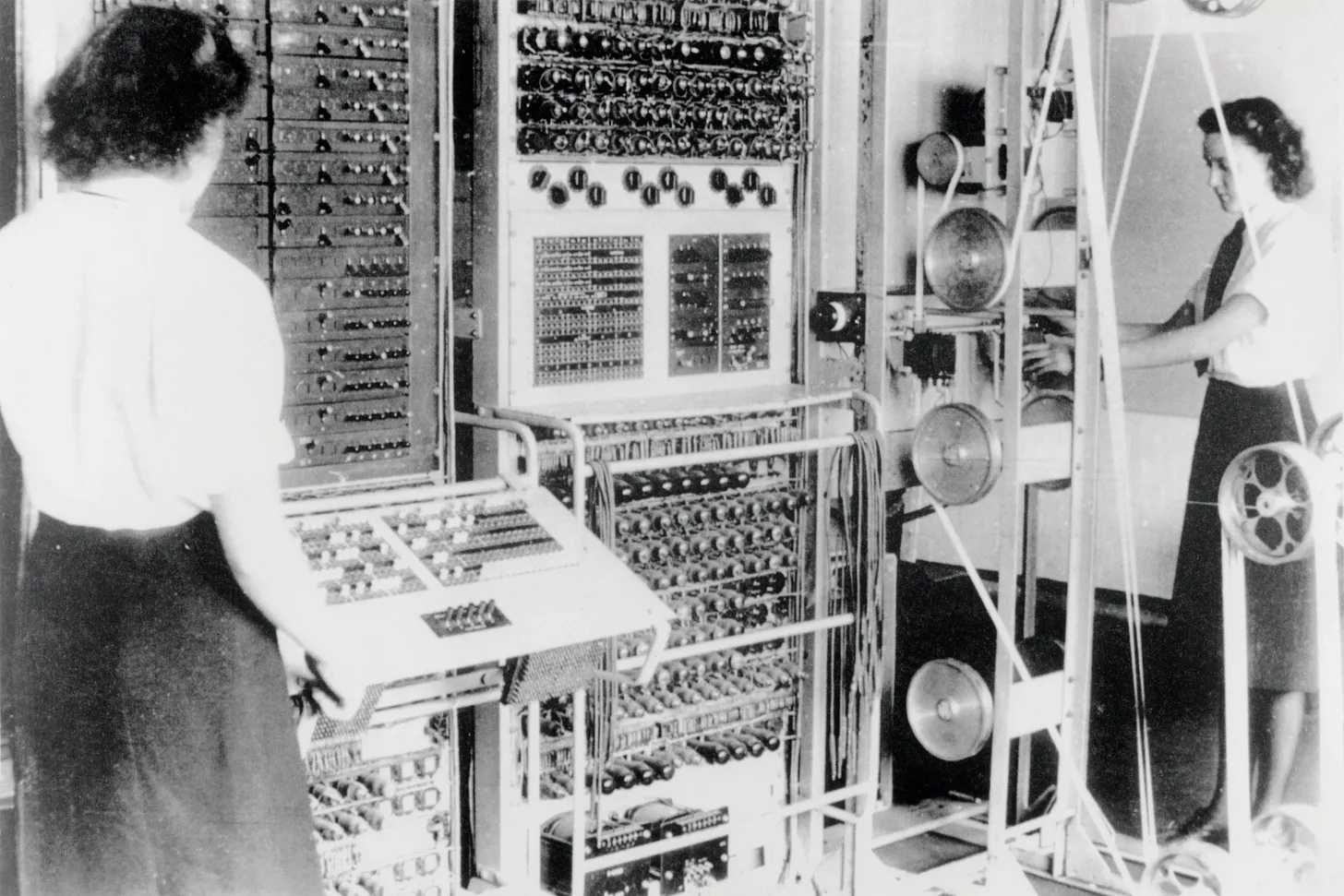
In and Out of Formation
We live on the planet, a lovely, alive rock spiraling through space in many frames of reference. And we live within an ocean of ideas, information and what I call ‘outformation’ — data chaos. While trees and bugs and lakes still exist, the noösphere is the mental environment that humans inhabit.
Most of us don’t recognize the extent to which the noösphere dominates our sense of presence. As I write, I’m looking out the window at a sunlit field and a wooded hillside. It’s amazing I can sit here and write.
And at the moment, the sphere of all data is overwhelming. It’s been moving very, very fast since the first telegraph transmission in 1844 (which was a lie — the first words sent at the speed of light were “What hath God wrought” when it was really humans that did the making).
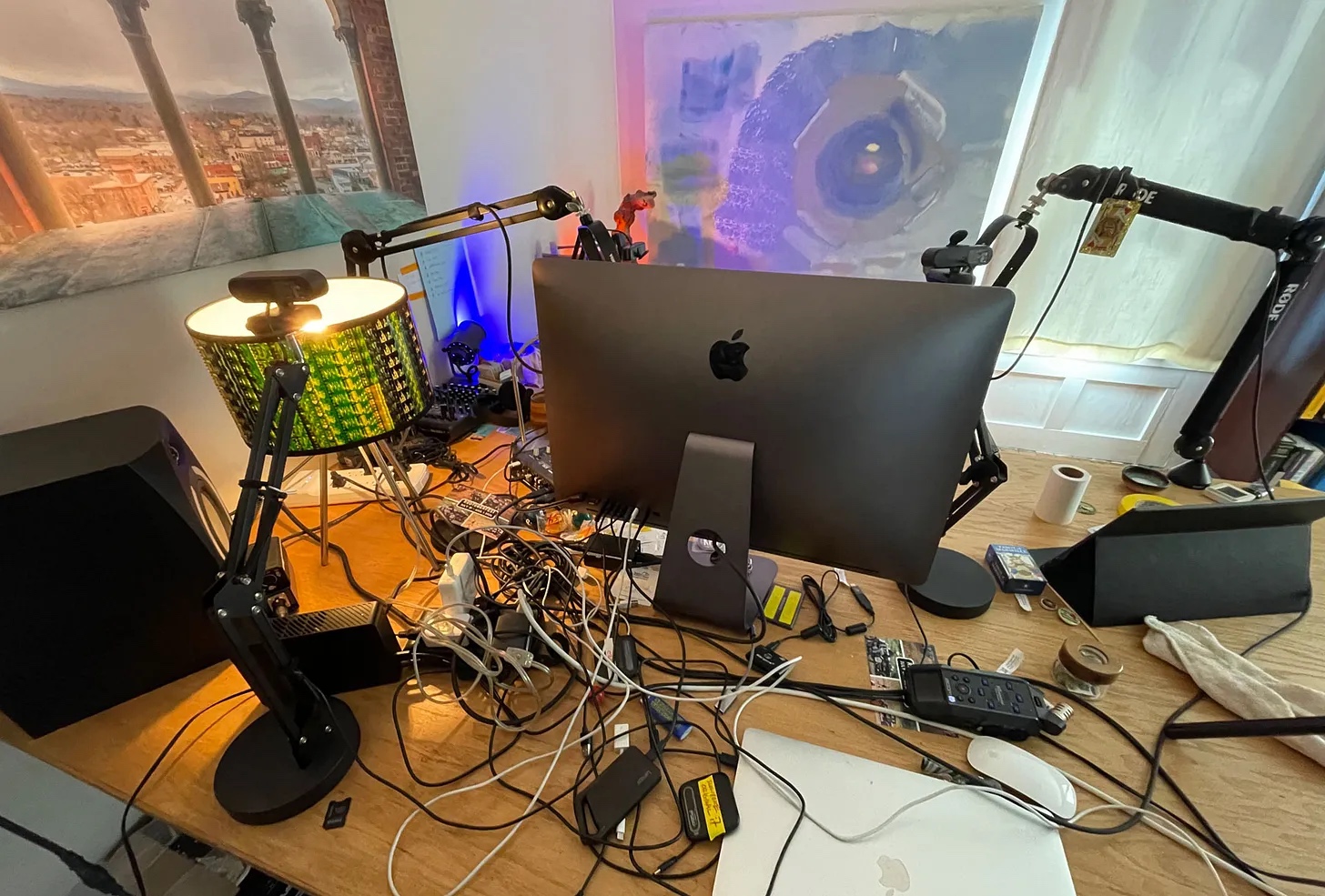
That Was Quick
Humans went from walking around to the horse and buggy to the choo-choo train to warp factor one practically overnight. We still have not gotten over the shock of this, and are more dazed and confused than ever.
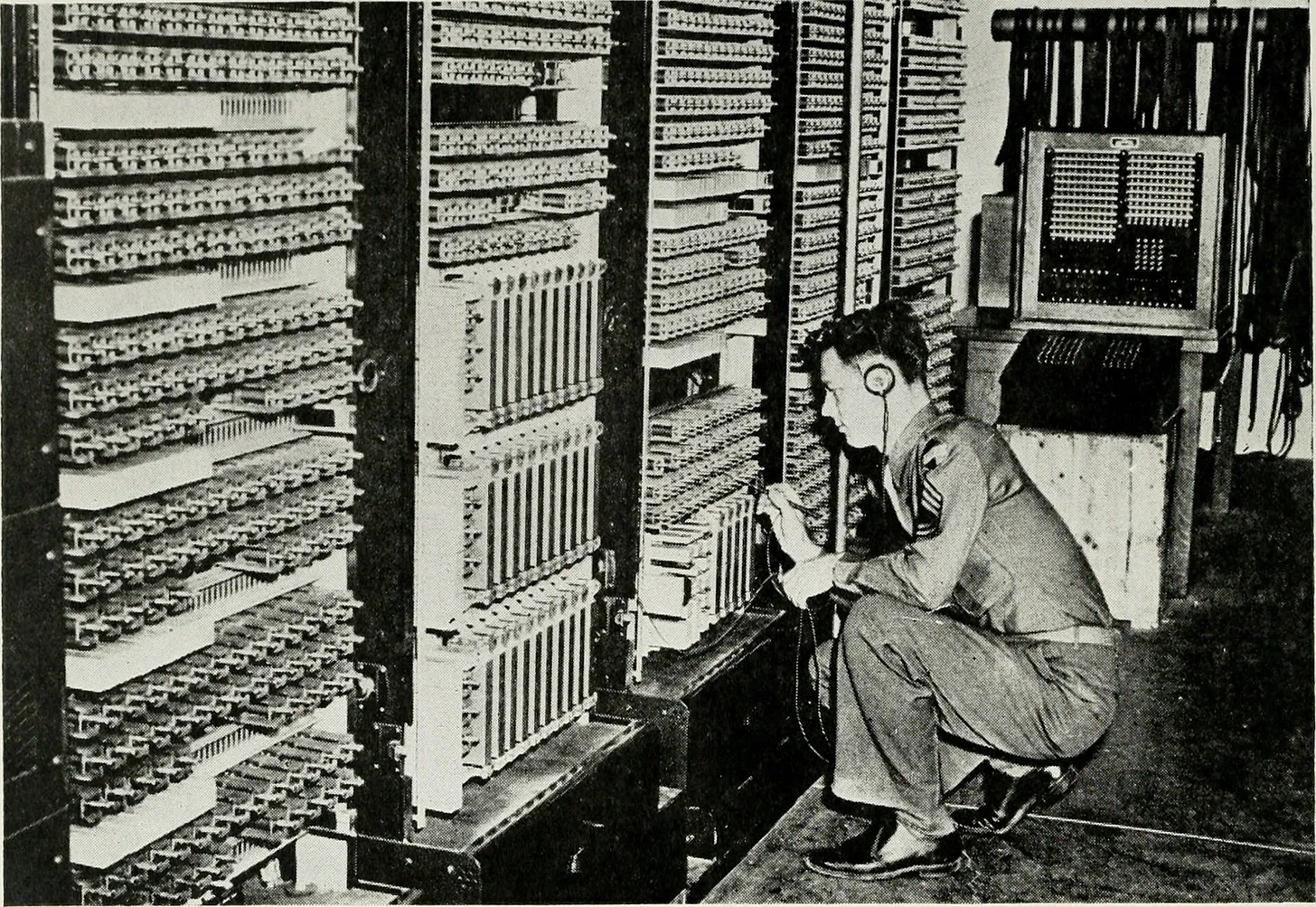
If the digital realm were conducted in telegraph, we would be buried under a layer of wires hundreds of feet thick. The information and outformation comes at us from every angle, all the time. And exposure to this environment has changed our minds, our senses, and our sense of our bodies.
It has transformed consciousness in ways that would likely make many things about us and our world unrecognizable to our predecessors.
Uranus Enters Gemini
Saturday, Uranus enters Gemini. Uranus (discovered in 1781) is the planet of technology on a large scale, such as the electrical and industrial revolutions. It shows up for many other kinds of revolutions, from the founding of the women’s movement to the upheavals of the 1960s.
The Sun was conjunct Uranus the first time an airplane took off from the ground (in Sagittarius, of course). It represents the gamut of sudden shocks, jolts and the unexpected, often associated with the acceleration of technology.
Uranus the mythical figure is not a revolutionary. Uranus the planet is a revolutionary and Rick Tarnas has argued it was misnamed, that it should be Prometheus. Uranus was overthrown by his children, Prometheus was the revolutionary who stole “the fire of the gods” and gave it to humanity. What fire was that? I think a certain kind of ingenuity and creativity that in our time, manifests as the out-of-control power of technology and greed.
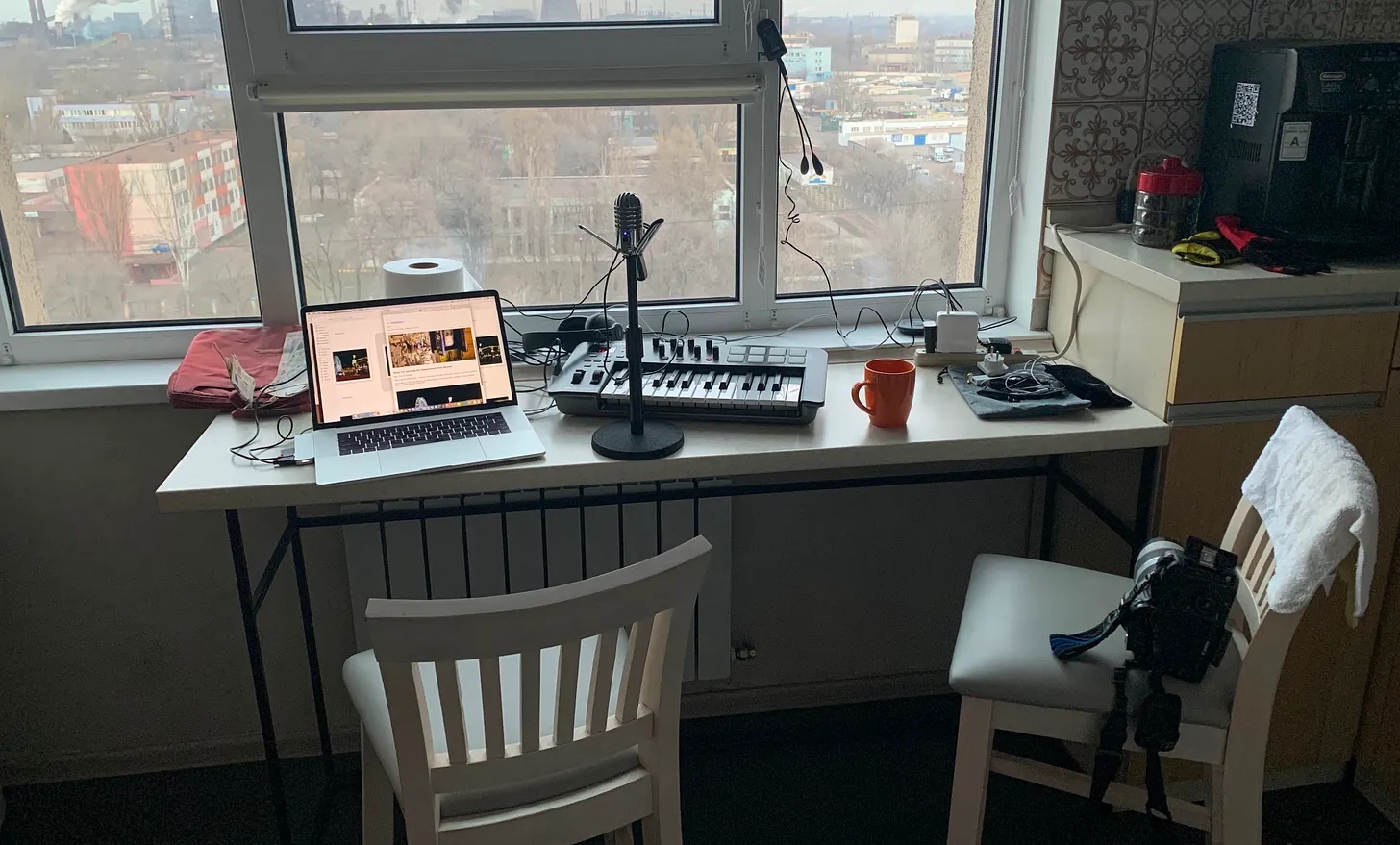
The First Human Sign
Gemini is the realm of human thought and language. While we might attribute a concept so vast as the noösphere to Pisces, Gemini is like the localization of Pisces into the human realm. It covers thought, writing, speech and other forms of language.
Speaking of human, or speaking of humans speaking, Gemini is the first human sign. And in the first human sign we get not just one person but rather two, the original twins Castor and Pollux. One is immortal; one is mortal. To me this looks like a representation of consciousness, with the psyche’s facets — the ego and the spirit — represented by the twins.
So while in myth they’re a little more than people, we get them in human form. And what do humans do? We talk. We think together, we reason, we argue, we read to one another (and other things too technical to get into in an article that children might be reading). We create data and send it to one another.
Idioglossia: The Secret Language of Twins
Often, twins or sibs of very similar ages will develop a language of their own. I won’t get into the official linguistics, which (being extremely polite here) don’t do it justice.
The kids just start talking, which is mixed with a lot of giggling, and to my ear it’s both mystical and beyond adorable. They obviously know what they’re on about. For adults, it’s the big “six-seven.” Part of the debate amongst the men in white coats is whether this inhibits the use of normal speech; I say, stick it.
This secret language is called an idioglossia: which translates in etymology as the idiosyncratic glossary. I don’t think it ends with very young siblings of similar development. Within all close relationships, people develop their own language, codes and jargon, which can include inside jokes that nobody else gets.
If we take this into the realm of the twins within, all people have an inner language in which we communicate with ourselves. Everyone has Gemini somewhere in their chart as well; we all express the twins somewhere, somehow.
Now Drop in Uranus or Prometheus
Gemini represents all of the environments I’ve described above, inner and outer, from the noösphere to the secret language we use with ourselves. This includes the total realm of communications, computing, language, and ideas.
And into this we are about to drop the electrified rock of Uranus or Prometheus. That is going to represent change on a scale we cannot imagine — because it represents shifts in awareness, technology and the effects of technology on society.
Uranus is an accelerant. It moves both progress and what you might call anti-progress. It is the fire of the gods, given to mankind.
We are about to get a lot of it. I mean, more than I can say without sounding like a hyperbolic YouTuber. Events are already moving at a pace so fast, nobody understands anything and nobody can keep up, or if so, just barely.
Just remember, in its deepest truth, Gemini represents two little kids sitting on the kitchen floor, jabbering away and giggling about something you’ll never get to know.
Stay tuned — more in tonight’s Starcast/PWTV and tomorrow’s Planet Waves FM.
Mitákuye Oyás’iŋ —
A Brief History of Computing Under the Last Uranus in Gemini (1941-1949)
Extracted from the Computer History Museum website.
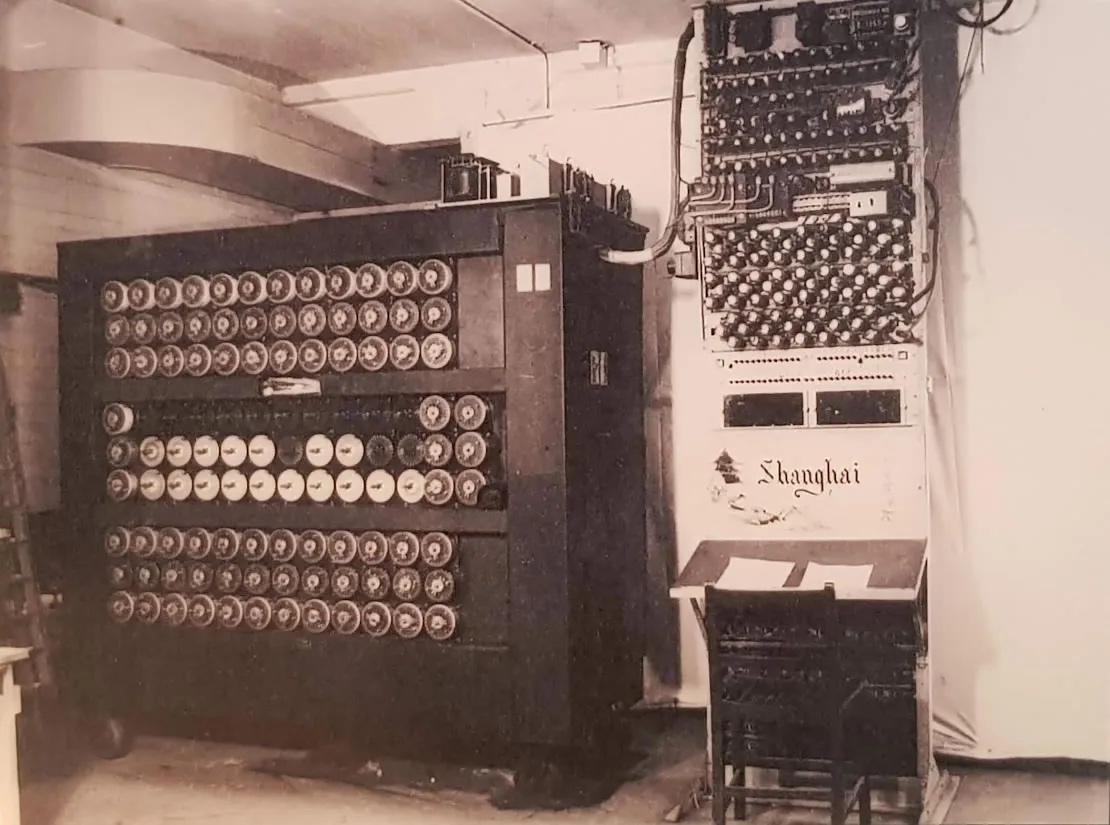
In 1941, the Virtual Bombe is designed by Alan Turing as a means of decrypting Nazi communications that use the ENIGMA encryption device. His “Turing machine” had been invented five years earlier.
In 1942, the Bell Labs Relay Interpolator is completed for the purpose of aiming large guns at their targets. Mathematician George Stibitz recommends using a relay-based calculator for the project.
In 1944, the first Colossus was operational at Bletchley Park. Designed by British engineer Tommy Flowers, the Colossus is designed to break the complex Lorenz ciphers used by the Nazis during World War II.
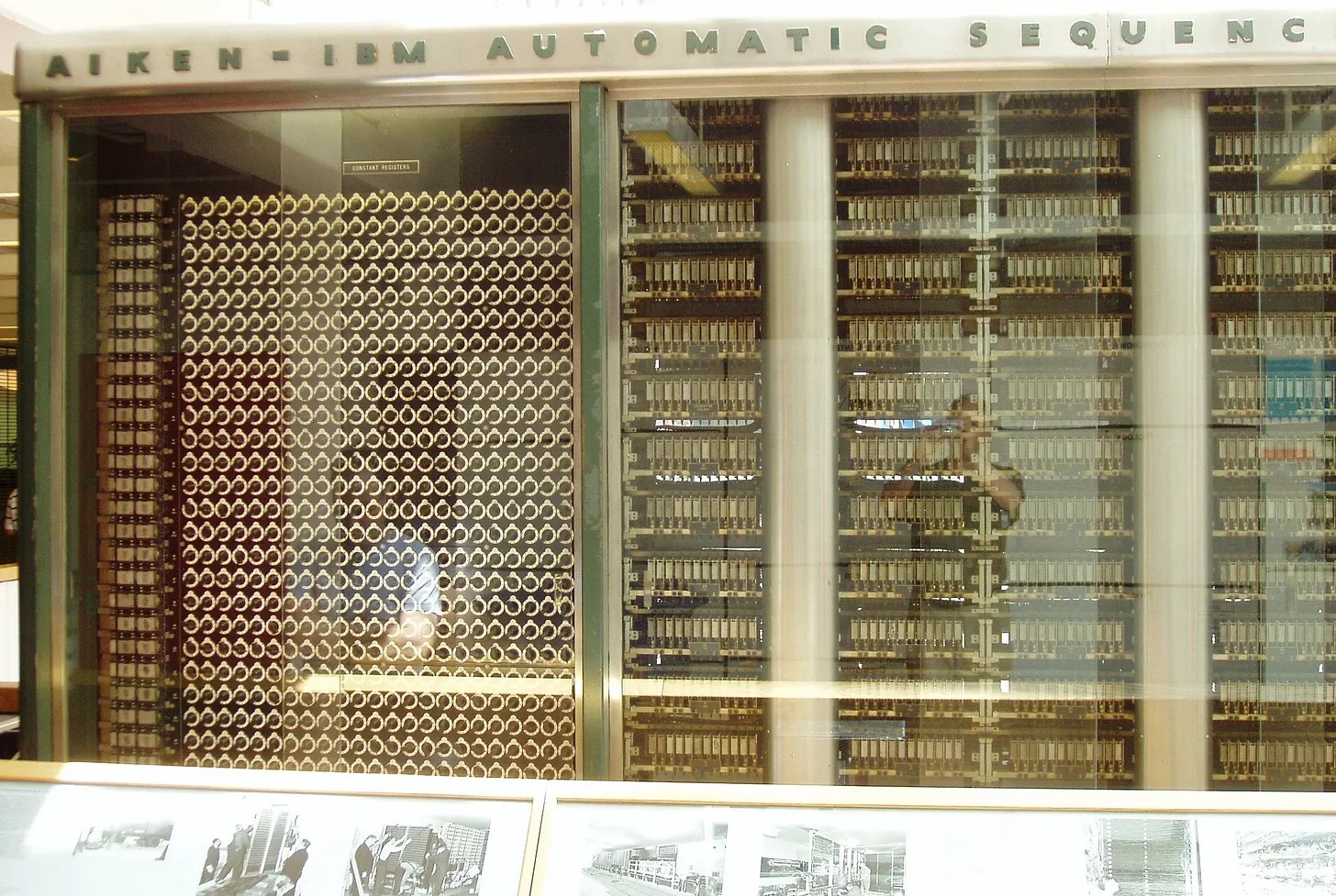
This is the same year (1944) the Harvard Mark One was created. Conceived by Harvard physics professor Howard Aiken, and designed and built by IBM, the Harvard Mark 1 is a room-sized, relay-based calculator.
In 1945, mathematician John von Neumann outlines the architecture of a stored-program computer, including electronic storage of programming information and data — which eliminates the need for more clumsy methods of programming such as plugboards, punched cards and paper.
In 1946, an inspiring summer school on computing at the University of Pennsylvania’s Moore School of Electrical Engineering stimulates construction of stored-program computers at universities and research institutions in the US, France, the UK, and Germany.
In 1948, the “app” is born: the first computer program was run on a computer. University of Manchester researchers Frederic Williams, Tom Kilburn, and Geoff Toothill develop the Small-Scale Experimental Machine (SSEM), better known as the “Manchester Baby.” (Two Saturn cycles left till the iPhone.)
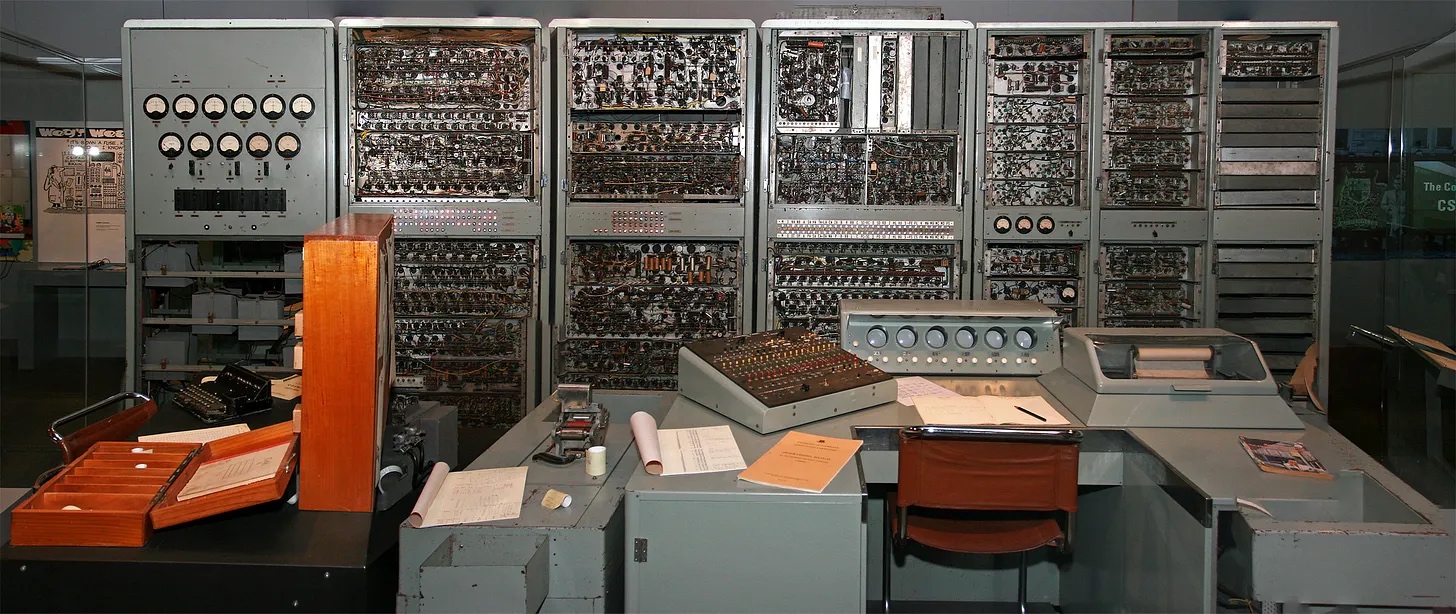
In 1949, the CSIRAC (Commonwealth Scientific and Industrial Research Automatic Computer) runs its first program. While many early digital computers were based on similar designs, such as the IAS and its copies, others are unique designs, like the CSIRAC. CSIRAC was designed by British-born Trevor Pearcey, and used unusual 12-hole paper tape. It was transferred to the University of Melbourne in 1955 and remained in service until 1964.