


Introductory Video
Class Session Recording
Part 1: Use this link if you’re listening on an iOS or mobile device. Part 2: Use this link if you’re listening on an iOS or mobile device. Download allClass Notes — Read here
Additional Video (short)
Illustrations
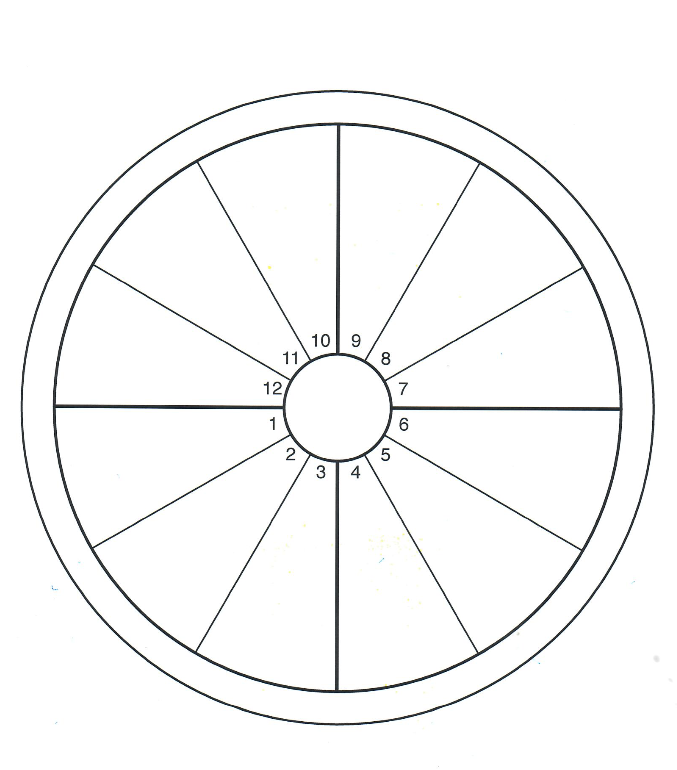
1) The blank wheel, showing the numbered houses.
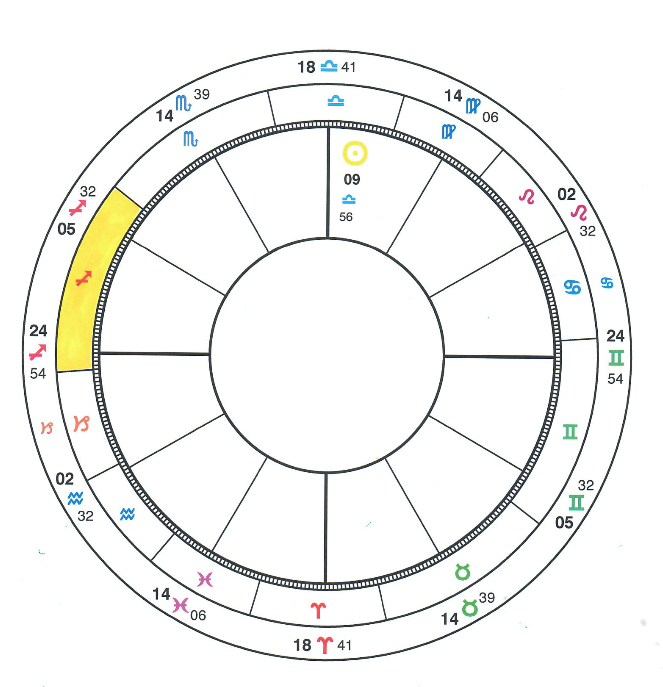
2) Simplified chart showing how signs and houses can overlap.
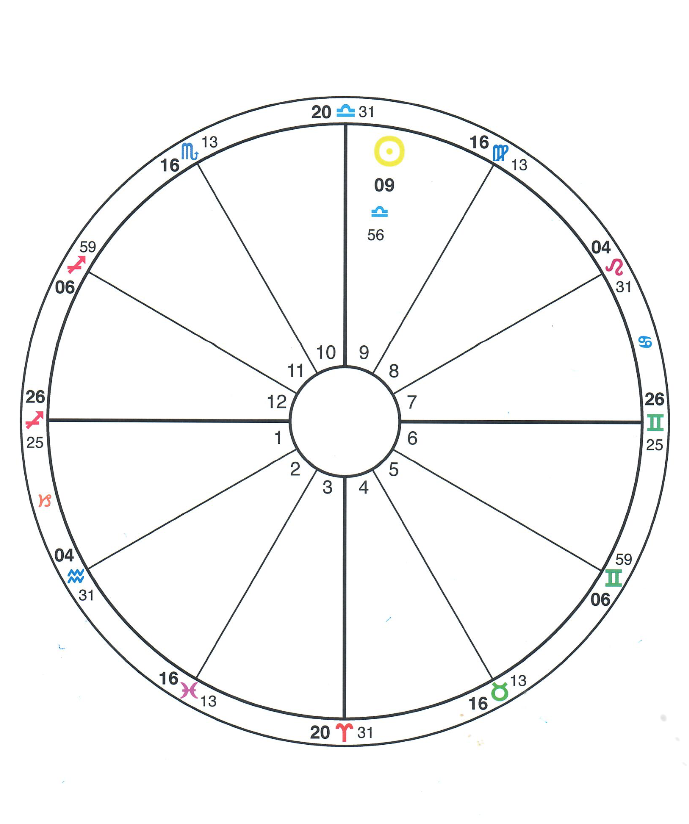
3) Simplified chart with sign “addresses” on house cusps.
Other Resources
It’s All In the Houses — TMA article by Eric ‘The Astrological Houses: A Summary‘ by Eric ‘The Wheel: Sex and Astrology‘ by Eric Note by Eric on houses from article on Astrology Secrets Revealed:Note that the houses represent a story about the development of self. There is a sense of logical progression from one house to the next. They also works in groups of three (1, 2, 3 – 4, 5, 6 – 7, 8, 9 – 10, 11, 12) or (1, 4, 7, 10, the angular houses related to the cardinal signs; 2, 5, 8, 11, the succedent houses, related to the fixed signs; and 3, 6, 9, 12, the cadent houses, related to the mutable signs). It’s also useful to consider the implications of opposite houses (1-7, 2-8, etc) and adjoining houses (1-2, 2-3, etc). You can also play with derived houses. If the 4th house represents parents, then the 3rd (which represents siblings) house from the 4th (= the 6th) represents your parents’ siblings, hence, aunts and uncles. If the 2nd represents your money and the 10th represents your reputation, then the 11th (the 2nd from the 10th) represents the money you make from your reputation.William Lilly’s Christian Astrology — annotated by Deborah Houlding Purchase link for An Astrological Mandala by Dane Rudhyar — or there is a free online version here (huge thanks to Cindy for providing this) Link to Eric’s article on the Thema Mundi Link to Tracy Delaney’s website, Serennu.com
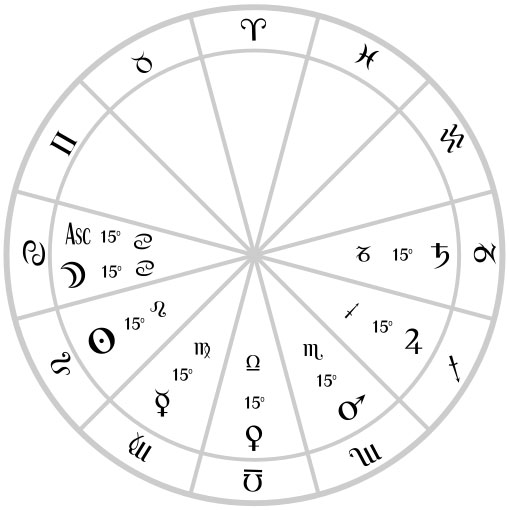
The original Thema Mundi, by Eudoxus of Cnidus. This addresses the domicile rulers (sign rulers) of the first seven signs. The additional sign rulers are implied; they are left out of the document.