

 [su_pw_block_quote]“To have a disease without its symptoms is to be immune. No society has ever known enough about its actions to have developed immunity to its new extensions or technologies. Today we have begun to sense that art may be able to provide such immunity.”
— Marshall McLuhan[/su_pw_block_quote]
Dear Friend and Reader:
In his landmark 2006 book Cosmos and Psyche, Rick Tarnas describes the problem of the disenchanted world brought on by the so-called scientific revolution. He describes how the beauty of nature and the cosmos is explained away and demystified by science.
The mystery of the soul is essentially dismissed by psychology and all of its fancy terms and findings.
Science always seems to be saying, “There, it all makes perfect sense. We’ve proven it.” (And in psychology, “Here is your diagnosis. You are officially suffering from a bad case of 302.3.” This sometimes makes people feel better when they think, “At least now I know.”)
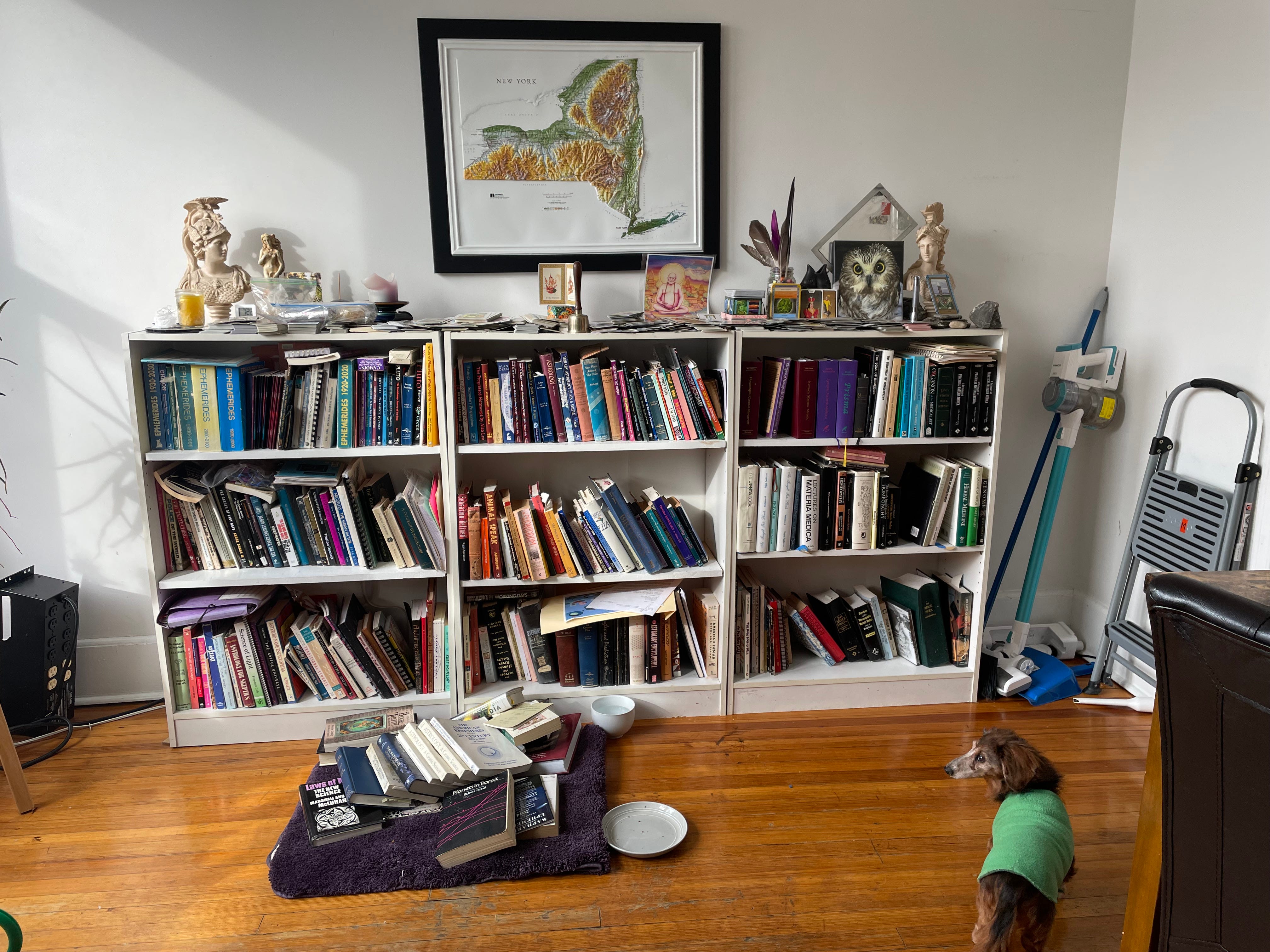
Photo by Eric Francis
Human Experience is Different
Rather, a person with an open mind lives in an active relationship to existence. What is this thing that makes us human? Maybe it’s the capacity for wonder, for discovery and for personal revelation. Turning everything into an explainable phenomenon of physics or chemistry takes away something vital from who we are: the quest for meaning. Plus, the problem with science is that it’s usually wrong, especially when it’s controlled by government and industry (almost always true). Any pursuit of truth is displaced by the drive for profits. Most of what we call science is technology, revered as a god. With all that we call science, there is no room for your personal experience of reality. Your observations are not allowed into the discussion. After all, you can’t prove what you observe, can you? You are told what is true, even if it contradicts your observations. Few people bother to read the fine print (such as the methodology section of a study, to see if it matches the claimed conclusion). Those who dip into the details of science often learn how irrational are most claims of absolute truth.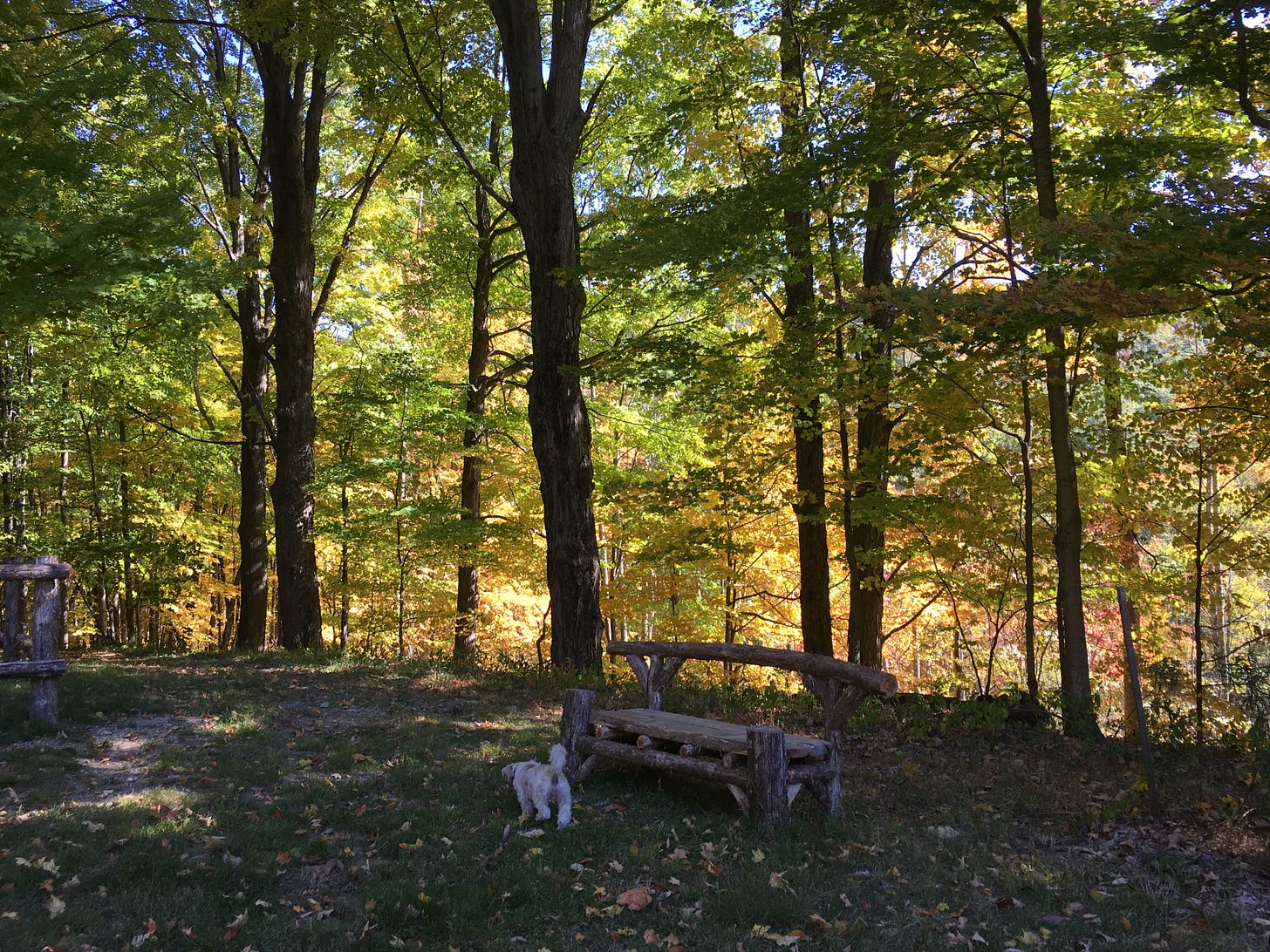
Photo by Eric Francis.
Allowing the Mystery into Life
Once you start playing with charts, it doesn’t take long before seemingly impossible synchronicities start to appear — such as aspects or placements that describe your friends down to funny details, or show the connections between people, or teach you something about the timing of important events in your life. Any astrologer who is true to the art is going to invest plenty of thought in wondering how this could all possibly work (and about how consciousness itself works.) Thankfully, there are no easy answers. Any spiritual path calls for a healthy relationship to the unknown. The rush to explain everything, and leap to instant, easy conclusions, shuts off curiosity and spoils the pleasure of personal discovery. Astrology (and other divination arts) has a way of opening up one’s desire for discovery, and teaches the patience necessary for true learning. In divination, the answer often comes as a riddle. This is exactly he opposite of taking the first result in Google as the absolute truth. The bold explorers of our day make it to the second page, and might even tap a link. And this way of not thinking has many people in their thrall. They may feel the momentary stirring of curiosity, and it’s over before they’ve looked at half an inch of their phone’s screen. A sincere quest for truth is much more interesting.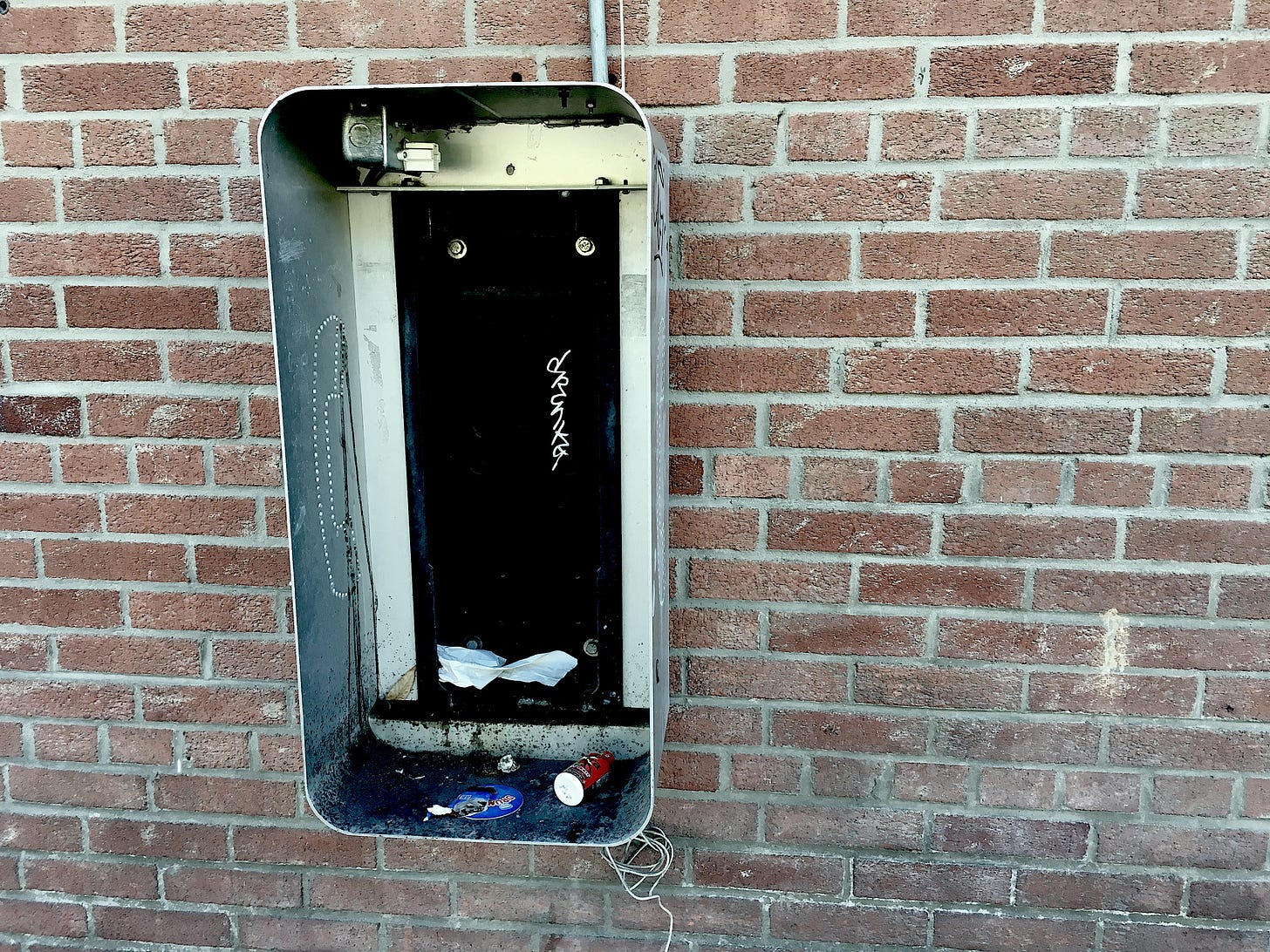
Photo by Eric Francis.
The Siren Song of Technology
We are now in the New Age of “artificial intelligence.” Suddenly, thousands of articles are appearing about how wonderful it is. What they are not telling you is that the age of AI goes back decades, as computer programs have been used to “help” people figure things out and make decisions all the way back to World War II. But we’re now being fed this stuff as if it’s some new innovation that has not already impacted our existence. The lie is that this technology is something new (rather than what caused the 1987 stock market crash, among other problems). It’s usually subtler than this. For example, many people use GPS to find their way places. This takes away the pleasure of studying maps, paying attention to landmarks, and figuring out how to find your way someplace. And still, many people are caught in the spell — the enchantment — of how wonderful this is all going to be. All what? When computers do all the thinking and make all of the difficult decisions and write your term papers and your legal briefs and poems you can use to seduce someone if you even care enough to do bother.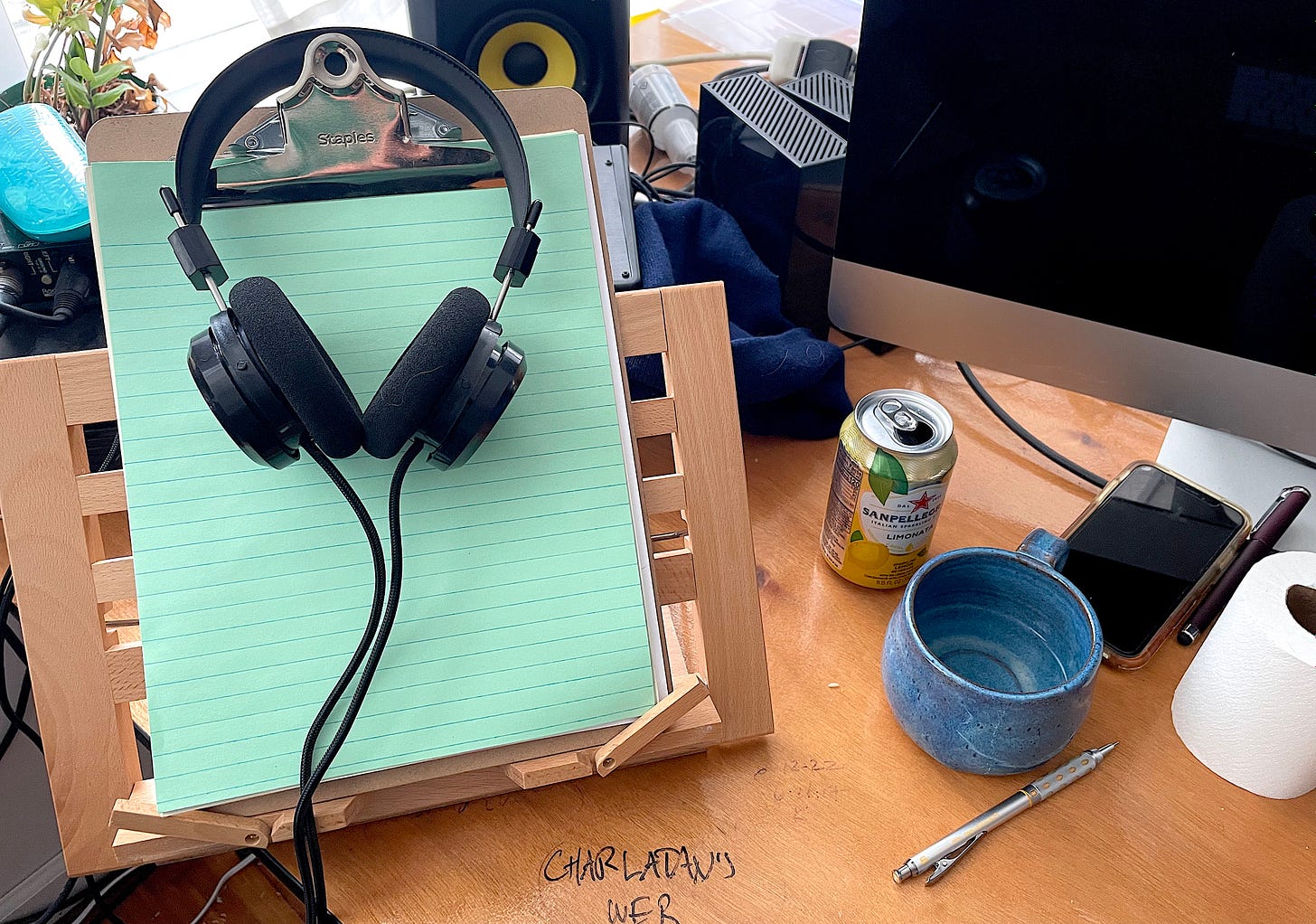
Photo by Eric Francis.
Delegating Human Experience to Technology
This is your mind on AI. And the marketing campaign is coming on fast and furious. I recently compiled some headlines from the past month, that seem to go on and on. Remember that most humans have been so weakened and dumbed down by the previous 30 or 40 years of exposure to AI. And how they are announcing that it’s something new. Well, it’s got new branding and it’s being rolled out as a consumer product. But it’s been quietly trying to run your life for many years. If you’re wondering why you’re so stressed out, consider the possibility that it’s from overexposure to all forms of artificial thought, memory and decision making. Consider that some part of you has been made numb or placed in a trance, and the restlessness and angst that you’re feeling is the deep desire to wake up. The good news is that you still can. There is still time. The revolution is not complete. With love,